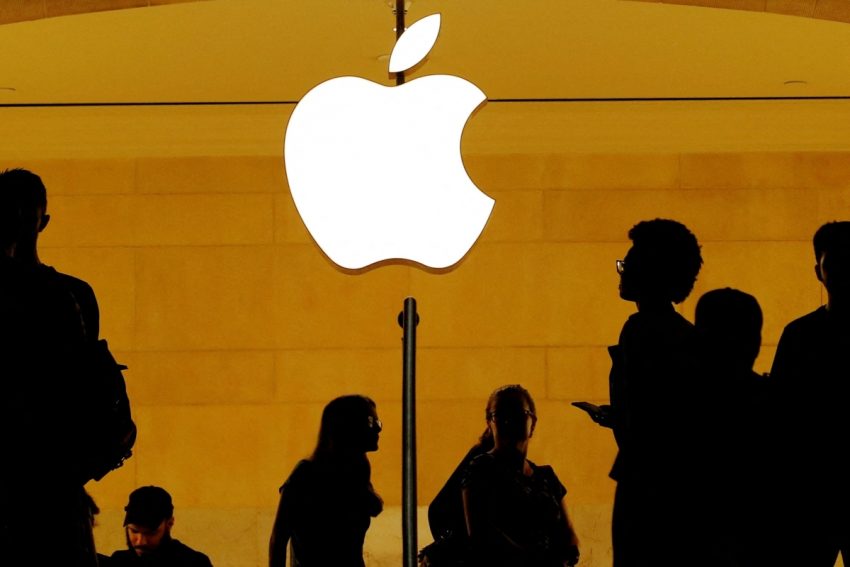
4년 이상 된 아이폰 3억대…아이폰16 나오면 대박 터진다?
Speech recognition technology has made significant advancements in recent years, with devices like smartphones, smart speakers, and virtual assistants being able to understand and respond to human speech. This technology, known as “음성 인식 기술” in Korean, has transformed the way we interact with our devices and has opened up new possibilities for hands-free communication.
One of the key benefits of speech recognition technology is its convenience. Instead of having to type out messages or search for information manually, users can simply speak commands or queries out loud and have their devices respond seamlessly. This is especially useful for people with mobility limitations or visual impairments, as it allows them to access information and communicate more easily.
Another major advantage of speech recognition technology is its potential for improving productivity. By allowing users to dictate text or commands quickly and accurately, this technology can streamline tasks like writing emails, composing documents, or conducting online searches. This can save users time and effort, allowing them to focus on more important tasks.
In addition to convenience and productivity, speech recognition technology also has implications for accessibility. By providing an alternative input method for interacting with devices, it can help make technology more inclusive for people with disabilities. For example, voice-activated devices can assist individuals who have difficulty using traditional interfaces, such as those with limited dexterity or mobility.
However, despite its many benefits, speech recognition technology is not without its limitations. For example, it may struggle to accurately transcribe speech in noisy environments or with accents or dialects that diverge from standard speech patterns. Additionally, the technology may not always understand complex or nuanced commands, leading to misunderstandings or errors in processing.
Overall, speech recognition technology represents a significant step forward in human-computer interaction, offering users new ways to communicate with their devices and access information. As the technology continues to improve and evolve, we can expect to see even greater integration of speech recognition into our daily lives, making our interactions with technology more seamless and intuitive.