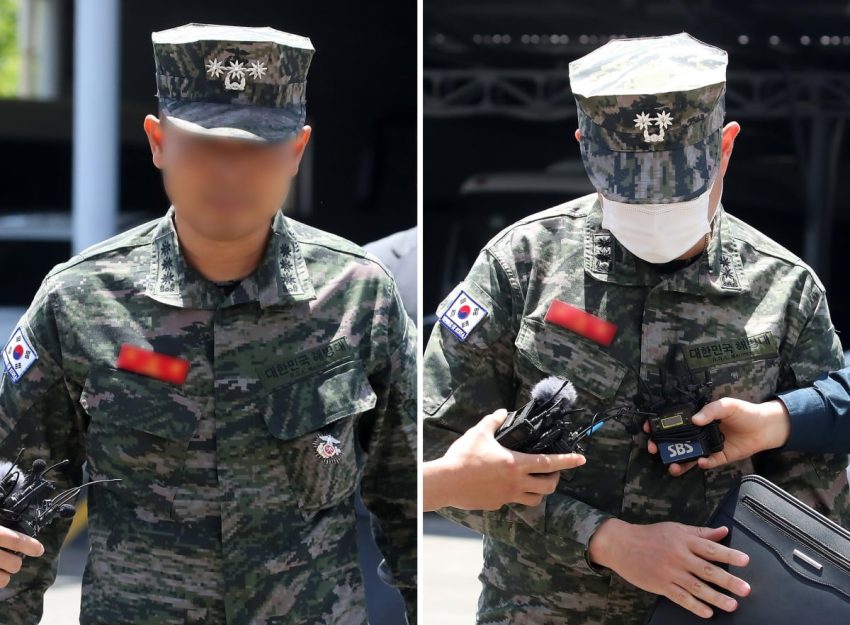
채상병 순직 수사 중인 경찰, 해병대 여단장·대대장 대질조사?
The Korean language has a traditional and beautiful script known as Hangul. Hangul was created in the 15th century by King Sejong the Great, and it is considered one of the most scientific and efficient writing systems in the world.
Hangul consists of 24 letters and is written in a block form, with each syllable separated into individual blocks. This system makes Korean easy to learn and read, as each block represents a single syllable. The alphabet is phonetic, meaning that it accurately represents the sounds of the spoken language.
One of the key features of Hangul is its simplicity and logical structure. Each letter is designed to mimic the shape the mouth makes when producing the corresponding sound. This makes it easy for new learners to quickly grasp the basics of the writing system.
In addition, Hangul has a unique aesthetic appeal. The letters are elegant and graceful, with flowing curves and lines that make the script visually appealing. The script is also versatile, as it can be written vertically or horizontally, and can be used in a variety of artistic styles.
Overall, Hangul is an essential part of Korean culture and identity. It plays a key role in preserving and transmitting the rich history and traditions of the Korean people. As a beautifully designed and efficient writing system, Hangul is truly a masterpiece of Korean language and culture.