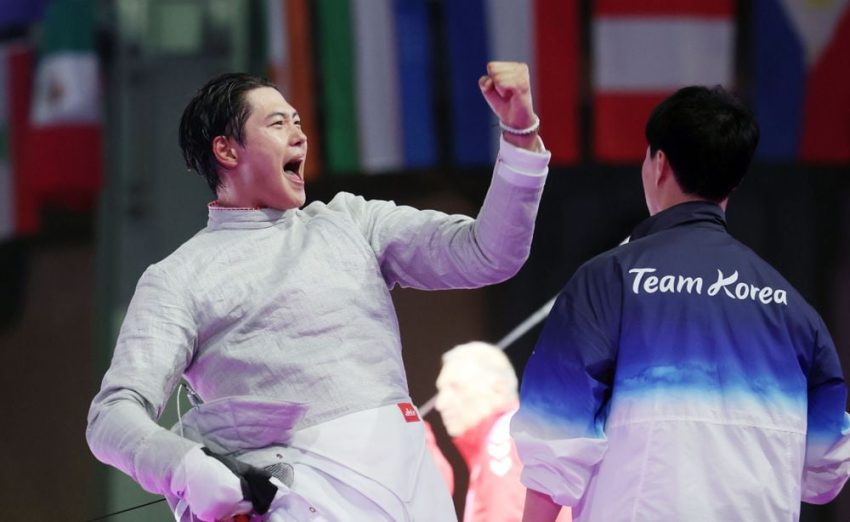
오상욱 금빛 찌르기…한국에 첫 금메달 안겨?
Korean Language: The Beauty of Hangeul
한글, also known as Hangeul, is the writing system used for the Korean language. It was created in the 15th century under the rule of King Sejong the Great. Hangeul is known for its simplicity, scientific basis, and unique phonetic system.
One of the most fascinating aspects of Hangeul is its origins. King Sejong wanted to create a writing system that all Koreans could easily learn and use, regardless of their social status or education level. This led to the creation of Hangeul, which has only 24 letters – 14 consonants and 10 vowels.
The simplicity of Hangeul is one of its greatest strengths. Each letter is made up of strokes representing the shape of the speech organs used to pronounce the sounds. This makes it easy to recognize and remember each letter, even for beginners learning the language.
Another unique feature of Hangeul is its phonetic system. Each letter represents a single sound, making Korean pronunciation quite straightforward. Additionally, the arrangement of the letters in a block follows a specific pattern, which helps in recognizing word boundaries and understanding the structure of sentences.
Hangeul has been praised for its scientific basis, as it was designed with linguistic principles in mind. The system is highly efficient and logical, allowing for the smooth representation of all Korean sounds.
In addition to its practical benefits, Hangeul also holds cultural significance for Koreans. It is seen as a symbol of national identity and pride, representing the resilience and creativity of the Korean people.
Overall, Hangeul is a beautifully crafted writing system that reflects the elegance and ingenuity of the Korean language. Its simplicity, scientific basis, and unique phonetic system make it a joy to learn and use, and a testament to King Sejong’s vision of promoting literacy and communication among all Koreans.