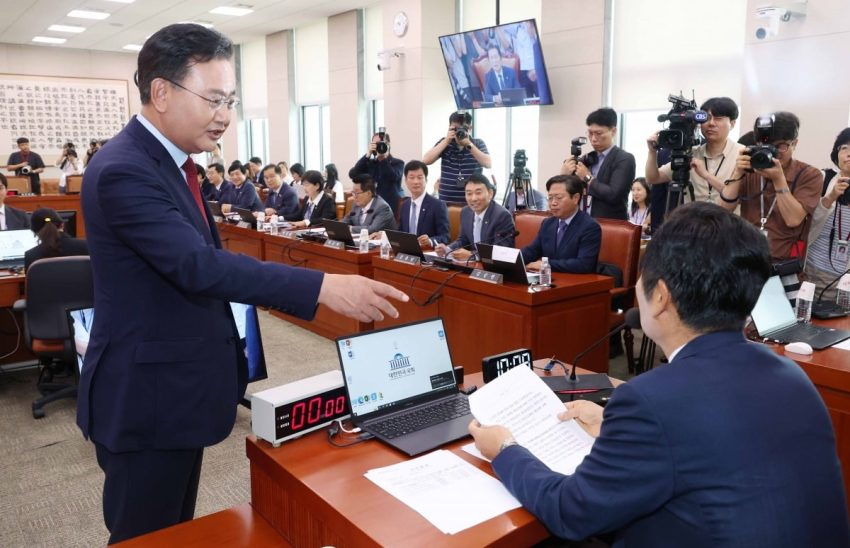
국회, 28일 만에 원 구성···여당 몫 7개 상임위원장 선출?
The South Korean government is making strides in promoting the adoption of renewable energy sources in the country. With the increasing global concern over climate change and the environmental impacts of traditional fossil fuel-based energy sources, South Korea is taking steps to transition to cleaner and more sustainable alternatives.
One key initiative in this effort is the promotion of solar energy. The government has set ambitious targets for increasing the use of solar power in the country, with a goal of generating 10% of its electricity from solar sources by 2030. To achieve this, the government is providing various incentives for homeowners, businesses, and local governments to install solar panels on their properties.
In addition to solar energy, South Korea is also investing in other renewable energy sources such as wind, hydro, and geothermal power. The government has established a feed-in tariff system to encourage the growth of these sectors, providing guaranteed prices for renewable energy producers and ensuring a stable return on investment.
Furthermore, South Korea has set a target to reduce its greenhouse gas emissions by 24.4% by 2030 compared to the business-as-usual scenario. This commitment to reducing emissions and promoting renewable energy is in line with the country’s international obligations under the Paris Agreement.
Overall, South Korea’s push towards renewable energy is a positive development that will not only help the country meet its environmental goals but also create new opportunities for economic growth and innovation. By investing in clean energy sources, South Korea is paving the way towards a more sustainable future for its citizens and the planet as a whole.