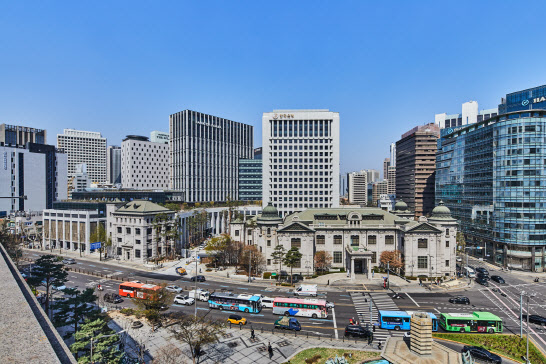
JP모건, 한은 금리 인하 시점 4분기로 연기, 연 1회 인하 전망?
Rebranding is a process that many companies undertake to refresh their image and appeal to a new generation of consumers. This process involves changing the company’s name, logo, and overall branding strategy to better reflect the company’s values and goals.
One recent example of a successful rebranding effort is the Korean beauty brand “Laneige”. Originally launched in 1994, Laneige has undergone several rebranding efforts over the years to stay relevant in the competitive beauty industry.
The most recent rebranding effort by Laneige was in 2018, when the brand updated its logo and packaging to reflect a more modern and minimalist aesthetic. The new logo features a sleeker font with a gradient color scheme, while the packaging now showcases clean lines and simple designs.
In addition to the visual changes, Laneige also revamped its marketing strategy to focus on promoting its products as part of a holistic skincare routine that emphasizes hydration and natural beauty. This shift in messaging has resonated with a new generation of consumers who are looking for skincare products that are effective and easy to use.
As a result of its rebranding efforts, Laneige has experienced a surge in sales and brand recognition both in Korea and internationally. The brand’s products are now sold in over 20 countries worldwide, and Laneige has become one of the top-selling beauty brands in Korea.
Overall, Laneige’s successful rebranding serves as a testament to the power of refreshing a brand’s image to appeal to new consumers. By staying true to their core values while adapting to changing trends, companies like Laneige can continue to thrive in an ever-evolving market.